




And so I flew to Florence
in the middle of yet another heatwave
to see Rothko’s work in the city that profoundly influenced him.
Rather than being housed in a single museum,
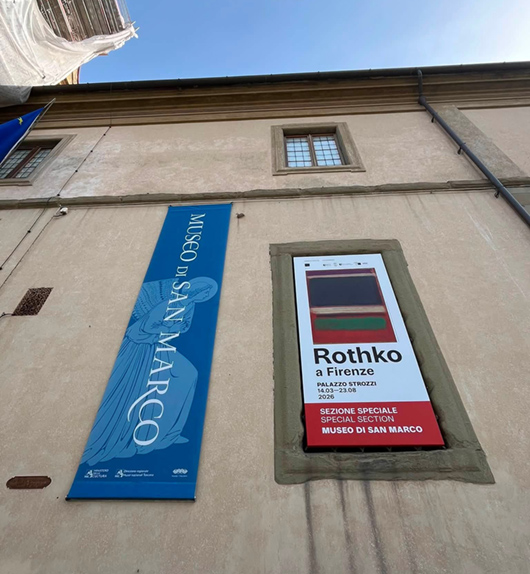
the exhibition unfolds across San Marco,
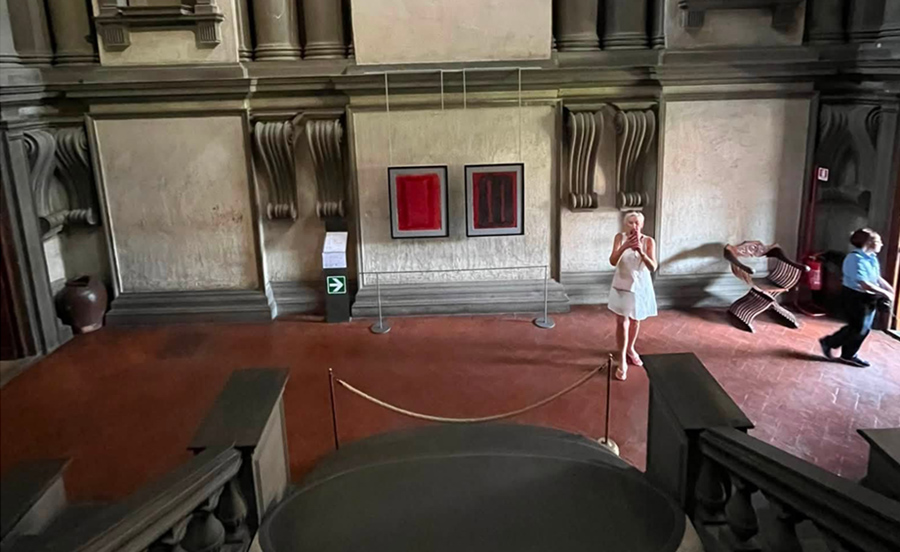
Michelangelo’s Biblioteca Medicea Laurenziana,
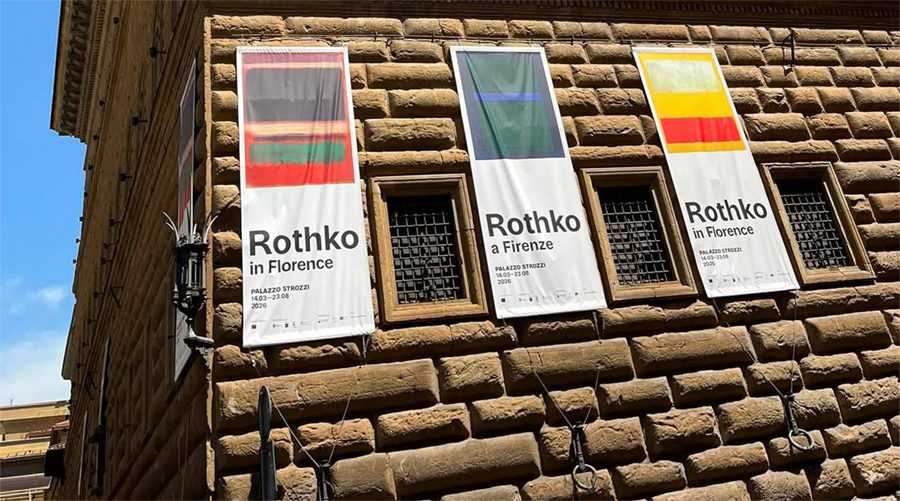
and Palazzo Strozzi.
I began at San Marco,
where five Rothko paintings are installed in the Dominican monks’ cells alongside Fra Angelico’s frescoes.
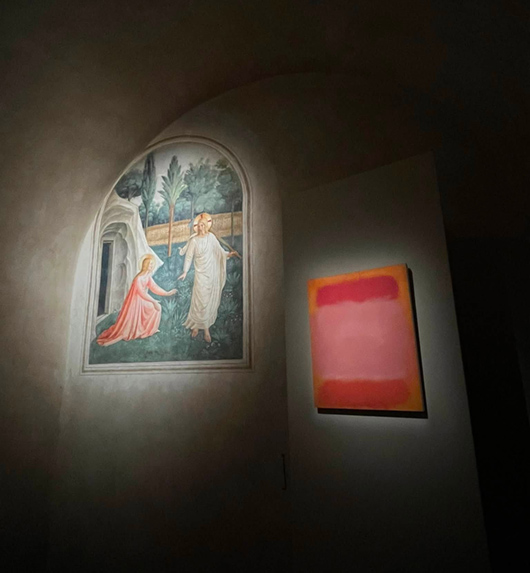
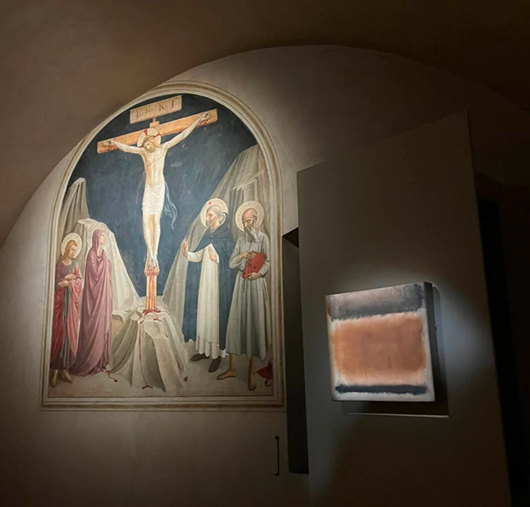
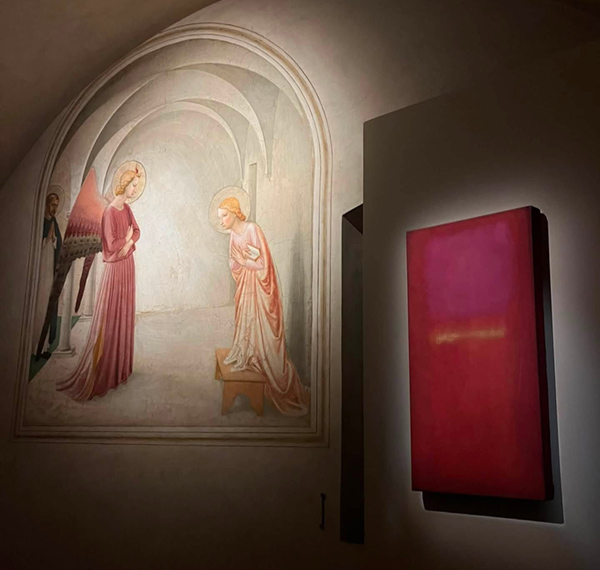
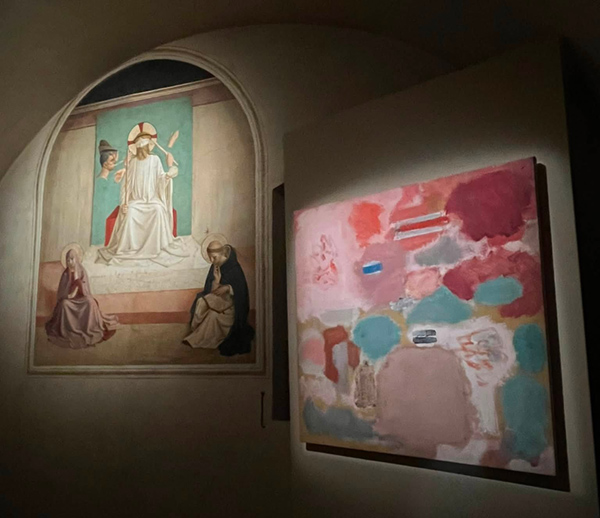
Rothko spent an entire afternoon there during his first visit to Florence in 1950 and returned the following day.
Afterwards, he told a friend that
“he had seen something total there,”
describing the monks’ cells as
“a treasure.”
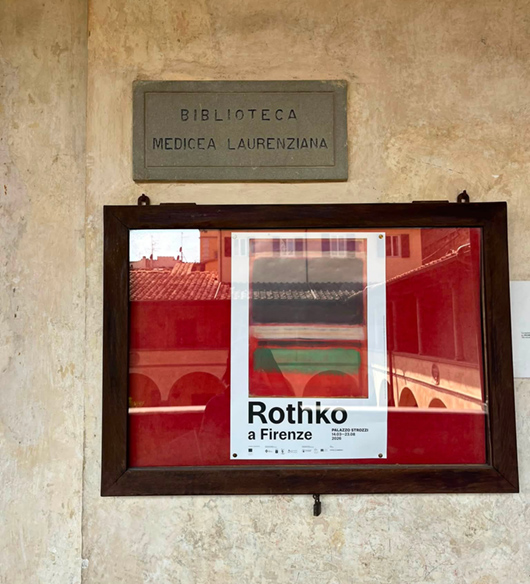
The second stop was the Vestibule of Michelangelo’s Biblioteca Medicea Laurenziana, where two Rothko works are displayed within one of the most extraordinary architectural interiors of the Renaissance.
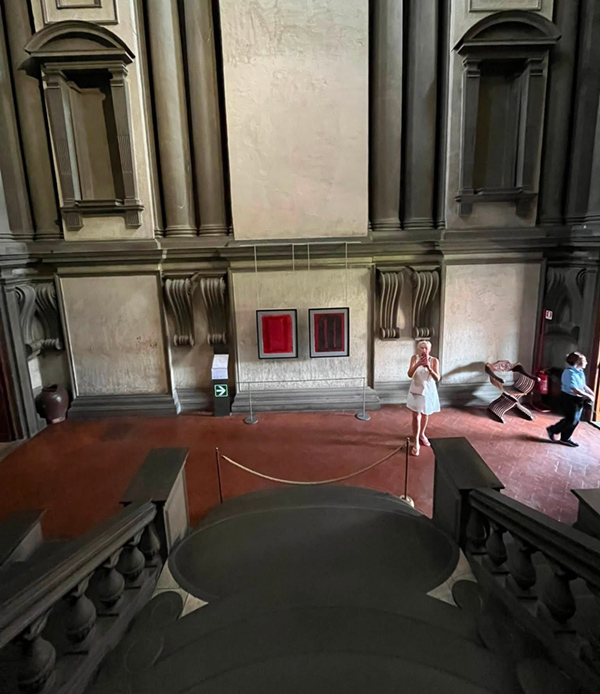
Rothko
regarded
Michelangelo’s
vestibule
as a profound source of inspiration,
saying:
“He achieved just the kind of feeling I’m after. He makes the viewers feel that they are trapped in a room where all the doors and windows are bricked up, so that all they can do is butt their heads forever against the wall.”
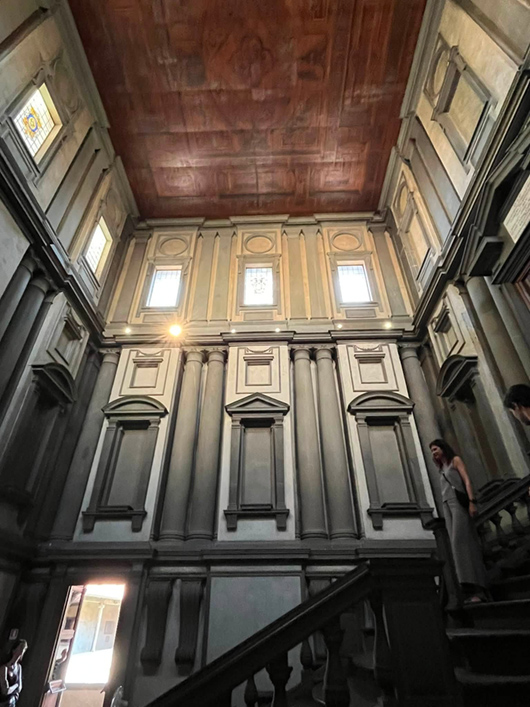
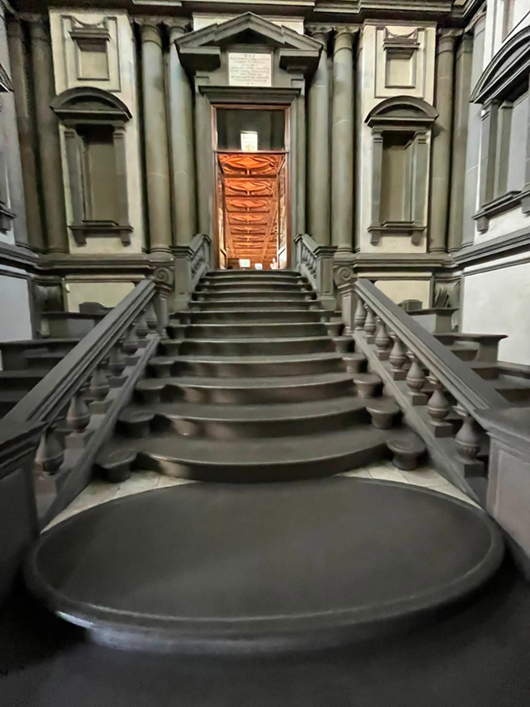
The emotional intensity of the space would later inform the atmosphere he sought in works such as the Seagram Murals – a series I often return to with guests on my NEJA’s Art Walks in the Rothko Room at Tate Modern.
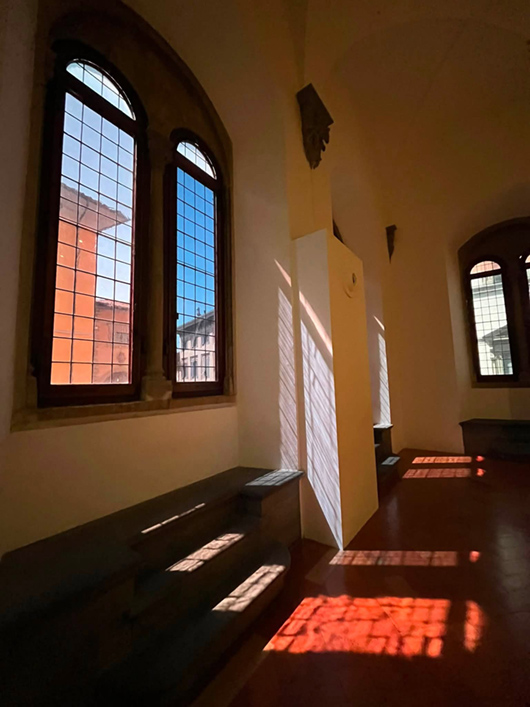
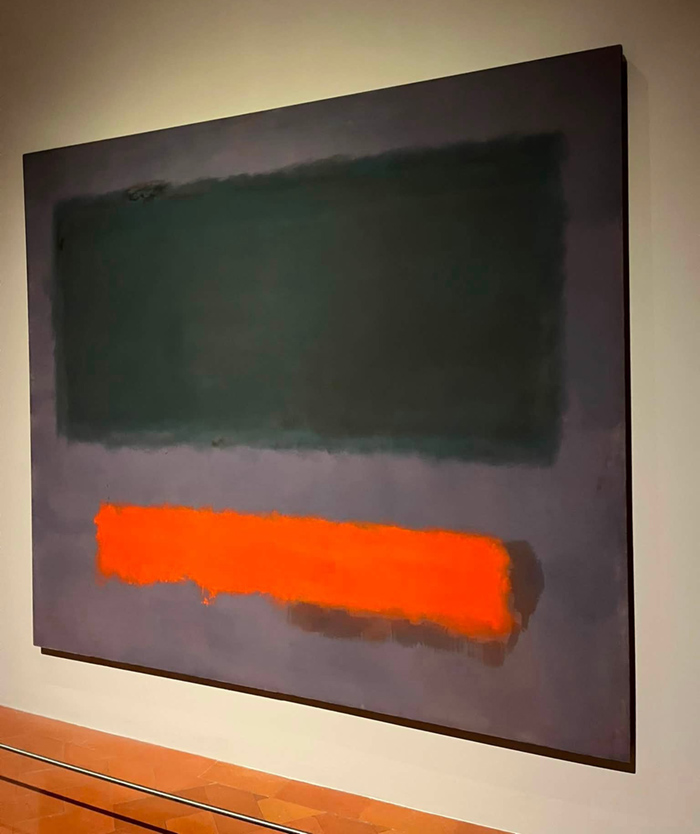
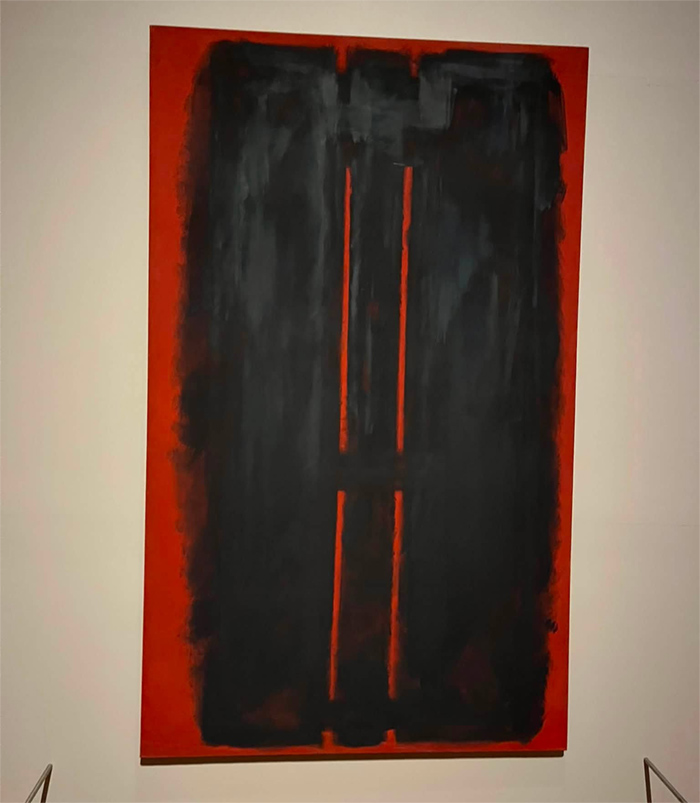
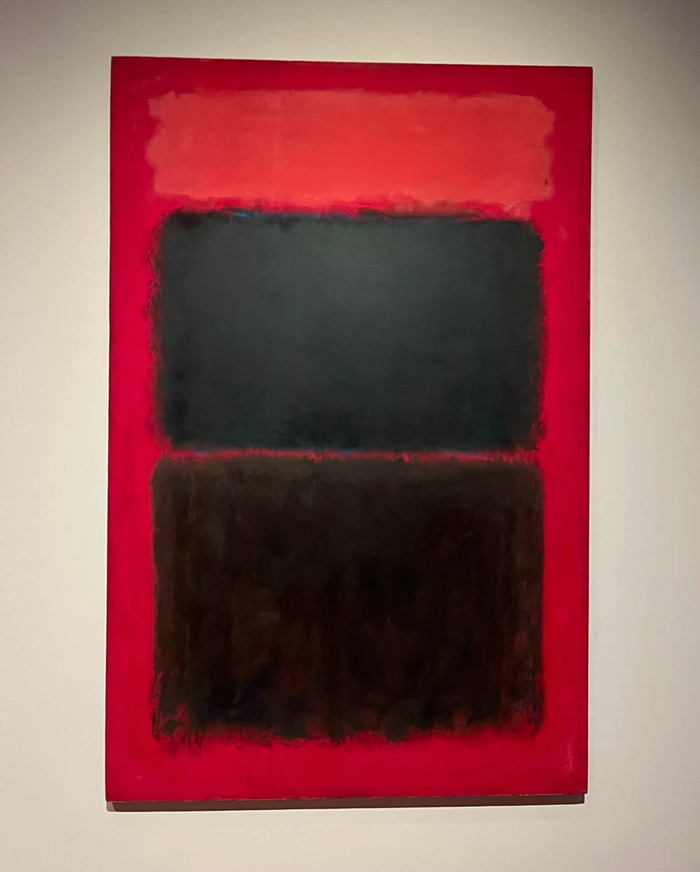
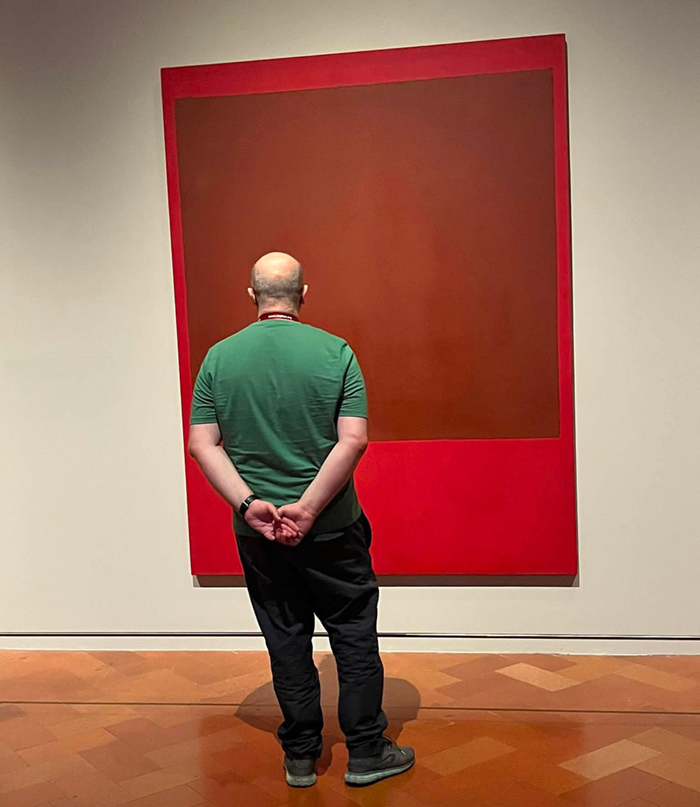
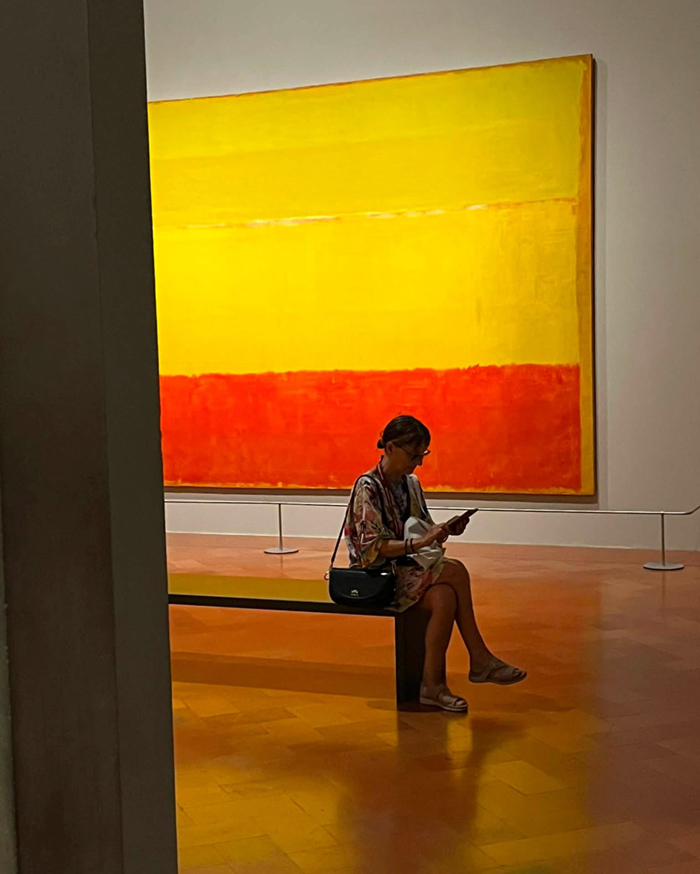
Only then did I visit the main exhibition at Palazzo Strozzi, where more than 70 works trace Rothko’s artistic journey – from his early figurative paintings to the monumental colour-field paintings and late works.
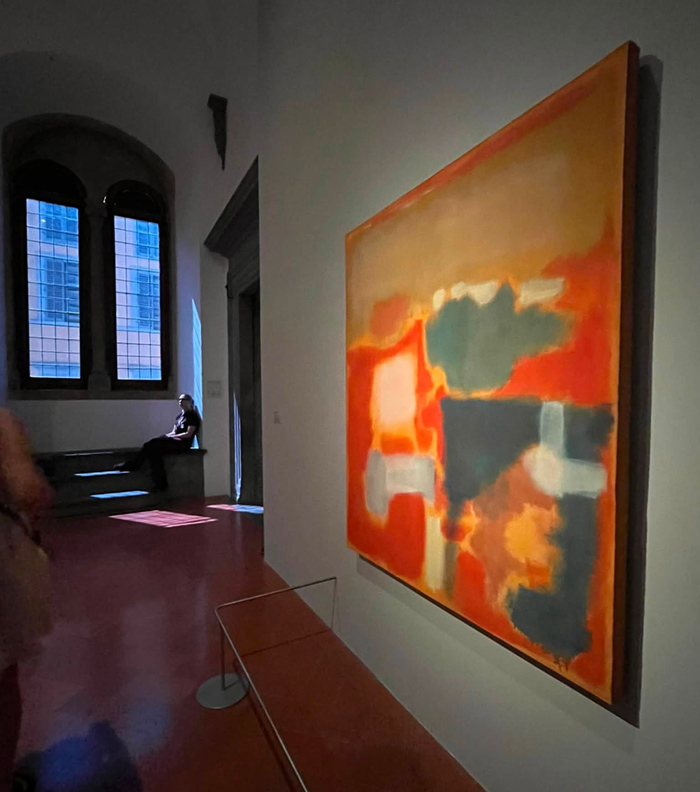
The exhibition is co-curated by his son, Christopher Rothko.
The venue itself feels perfectly suited to the exhibition, with sunlight pouring through the Renaissance windows and casting broad planes of light and shadow throughout the space.
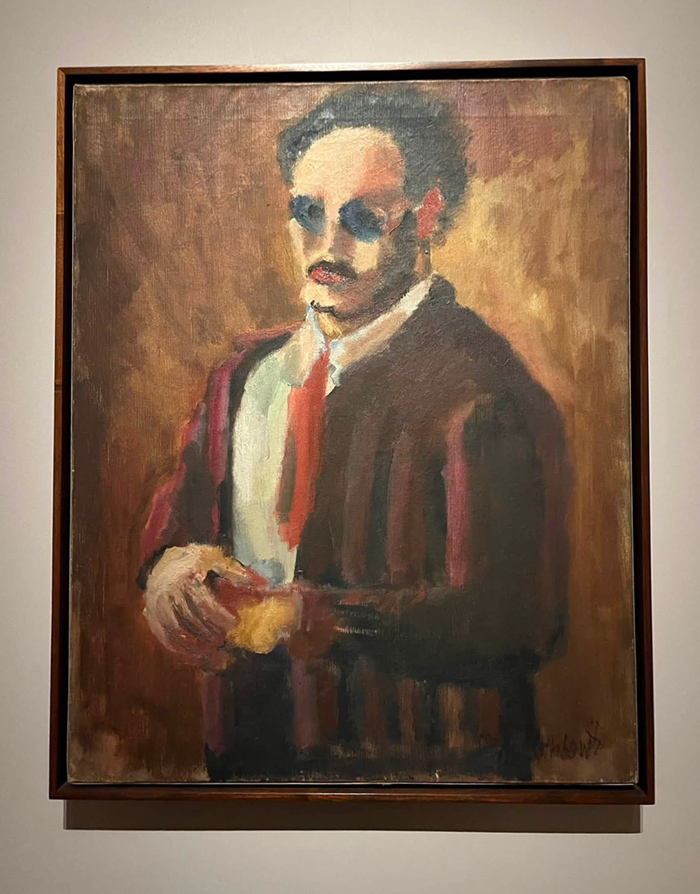
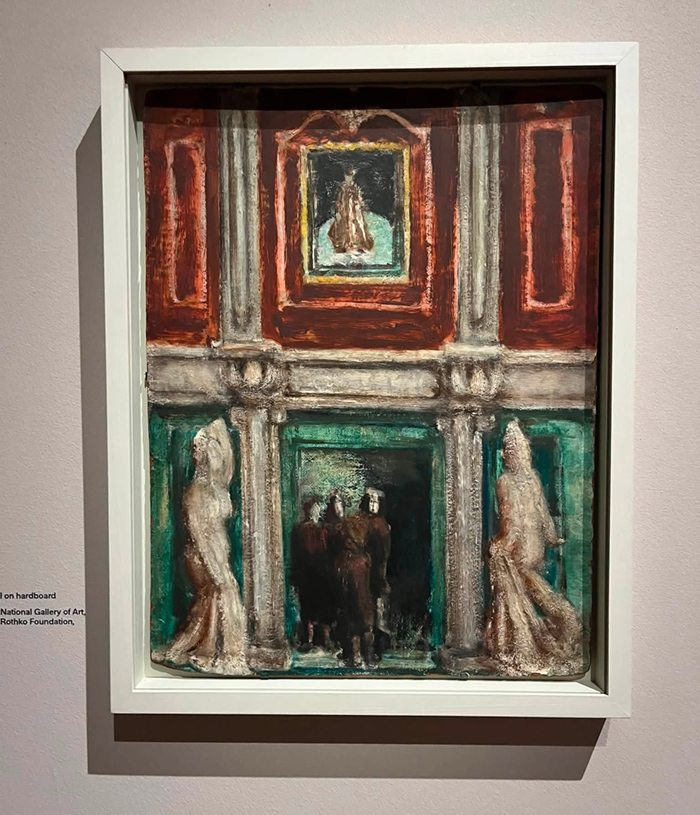
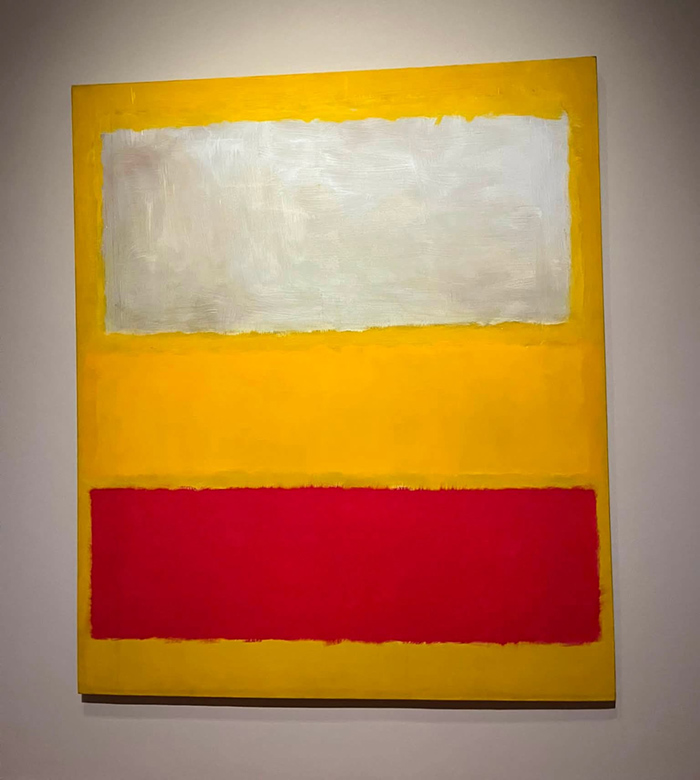
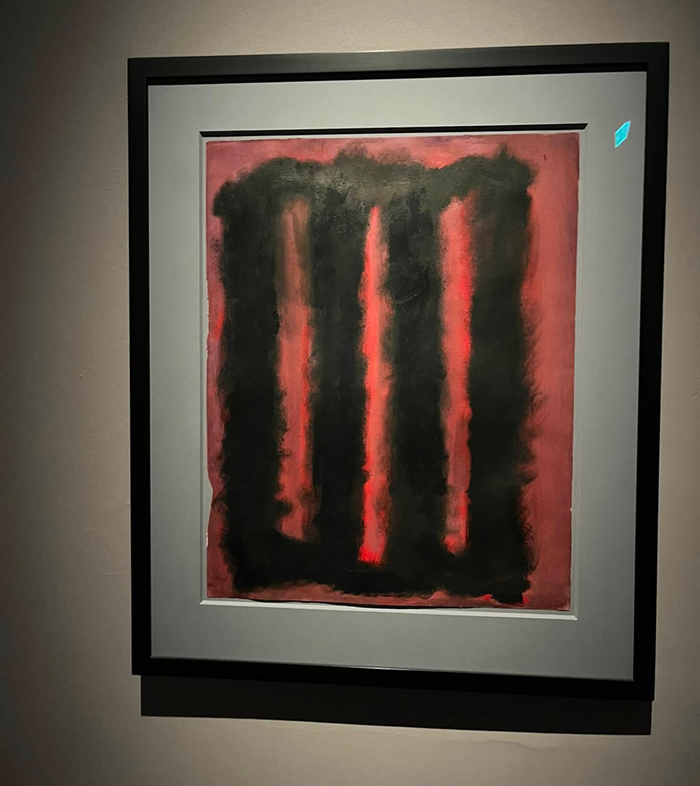
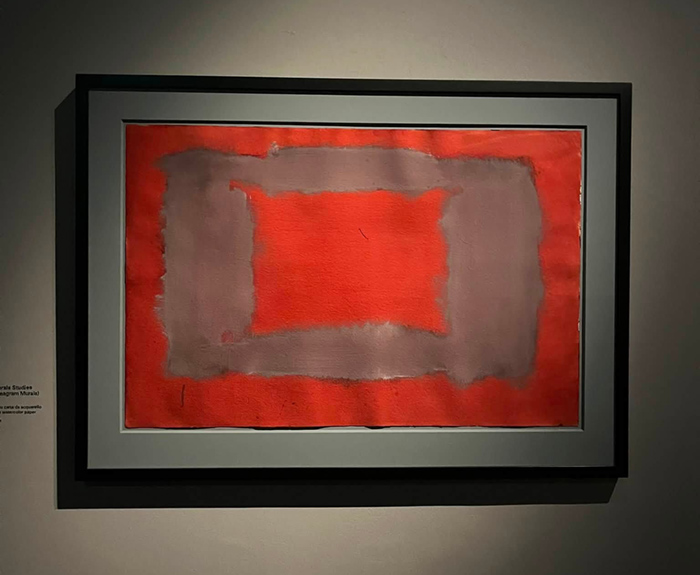
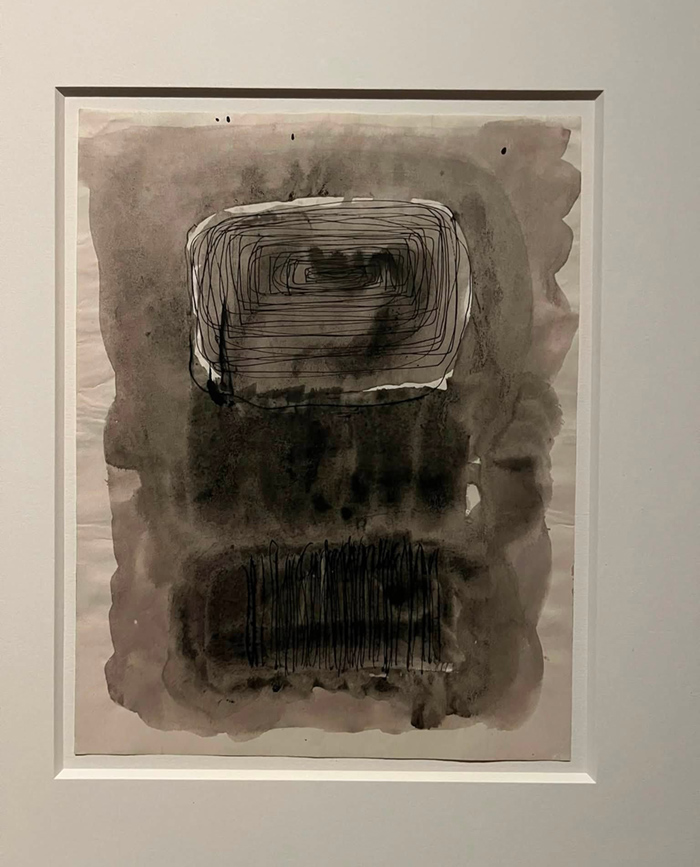
My favourite part of the exhibition was the pair of rooms dedicated to studies for the Seagram Murals and the Harvard Murals.
Seeing these preparatory works offered a rare glimpse into Rothko’s working process and the evolution of two of his most important commissions.
—julija svetlova
Flommist Julija Svetlova is an art historian, freelance researcher and a founder of Neja’s Art Walks, a bespoke provider of art and history-related tours and experiences in London. Julija previously worked as a collection research assistant at the Tate. Copyright © 2026 Julija Svetlova.
MOR D’ARTÍCULOS MOR FLOMM !
READ SOME RELATED DER TUNG POSTS :

PLEASE SUPPORT FLOMM
DONATIONS DISCREETLY ACCEPTED